A little nature. A lot of possibility.
Sheung Wan · Tue–Sun 10:00–19:00
The Urban Roots journal
Notes from
the greener side.
Small observations and practical ideas for living with plants in Hong Kong. Make a cup of tea and settle in.
Light changes a space, and what can grow in it.
At home · 3 min read · 09 November 2026
Read the room before you choose the plant
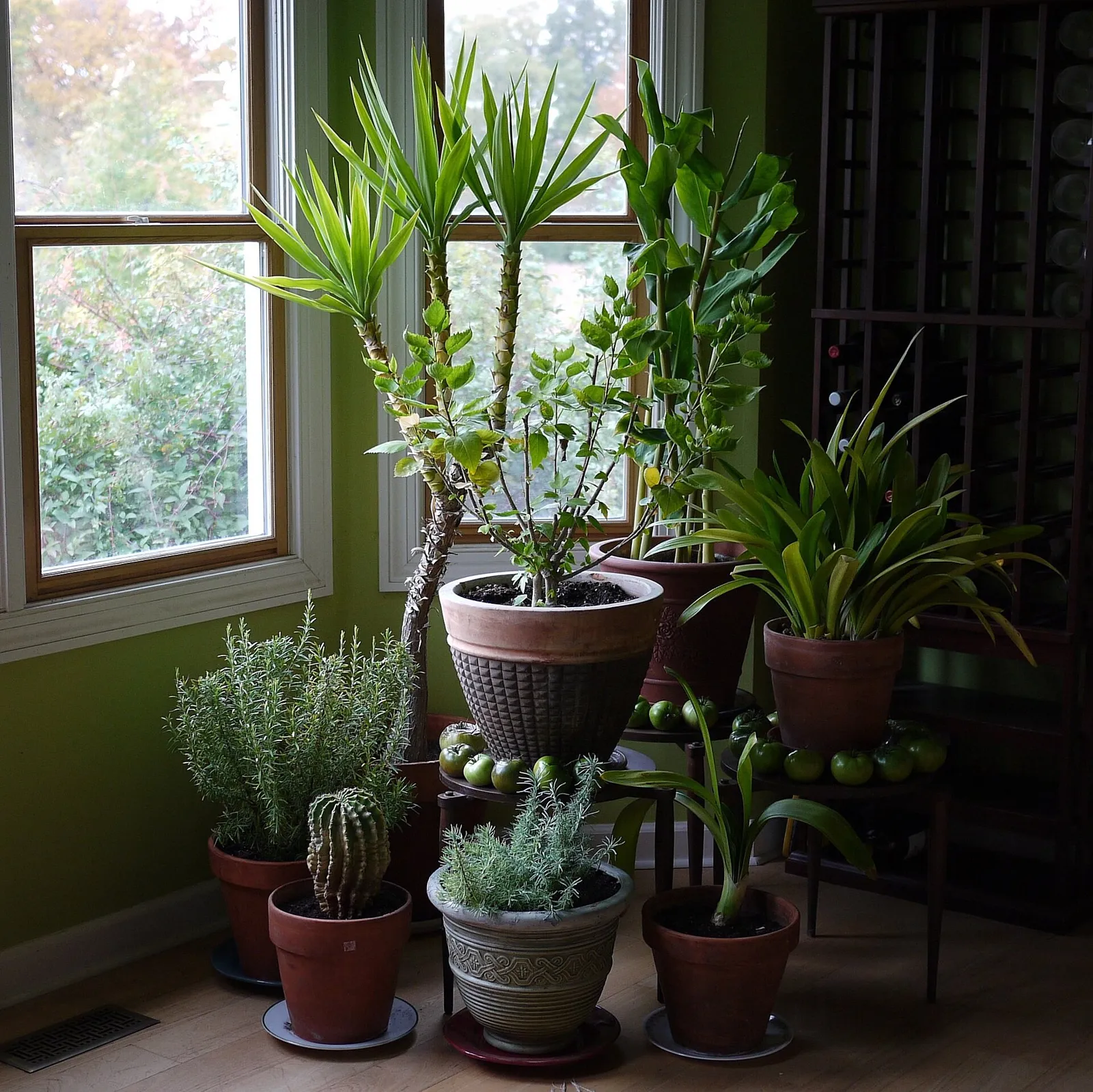
A plant label can say “bright, indirect light”, but your flat has a particular window, a neighbouring building and perhaps a curtain that stays half closed. Start by looking at the actual space at different times of day.
Follow the light for a day
Notice where direct sun lands in the morning and afternoon. Check the proposed plant spot itself, rather than the brightest part of the room. A shelf several metres from a window can be much darker than the windowsill, even in a room that feels airy.
Bring the context with you
Take a wide photo showing the window and the proposed spot. Note the window direction if you know it, and tell us about curtains or nearby buildings. These details are more useful than a close-up of an empty corner. We can then discuss plants that suit the light you have, and a different position if the original one is too dim.
Look closely. Every plant has its own rhythm.
Plant care · 3 min read · 09 November 2026
Put down the calendar. Check the soil.
“Water every Sunday” sounds reassuring until the weather changes. In Hong Kong, a damp summer week and a dry, air-conditioned room can create very different conditions. Your plant’s pot size, growing medium and position matter too.
Check before you pour
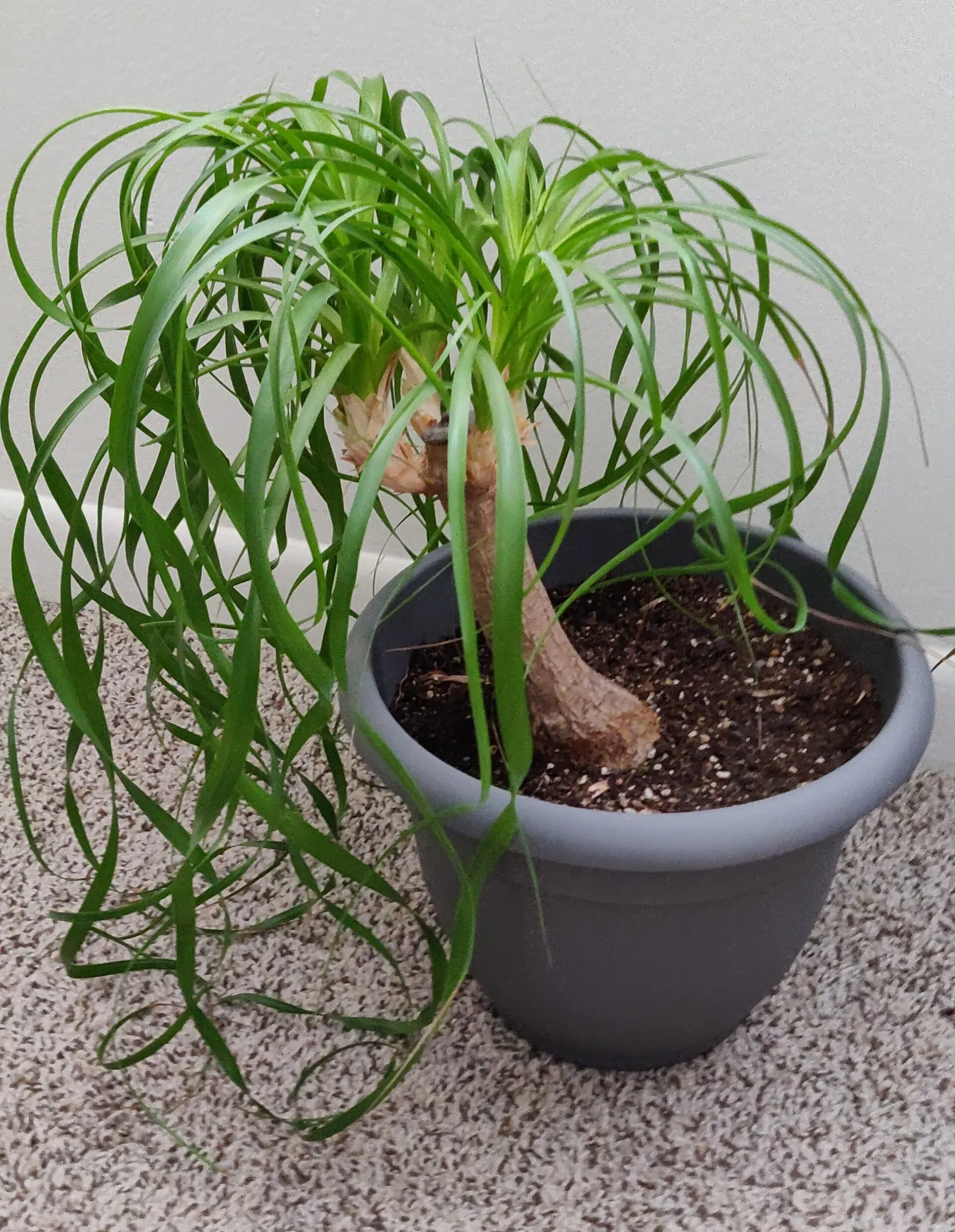
Feel the potting mix and learn how heavy the pot feels when wet and when approaching dry. Different plants prefer different drying intervals; a ponytail palm stores water in its swollen base and usually needs a different approach from a fern. Ask us what to observe for your particular plant.
Give excess water an exit
For a plant in a draining nursery pot, water when appropriate and let excess water drain before returning it to a decorative cover pot. Empty standing water. Yellow leaves alone do not tell the whole story, so look at the soil, roots where visible and recent changes together. If you are unsure, send us photos before adding more water.
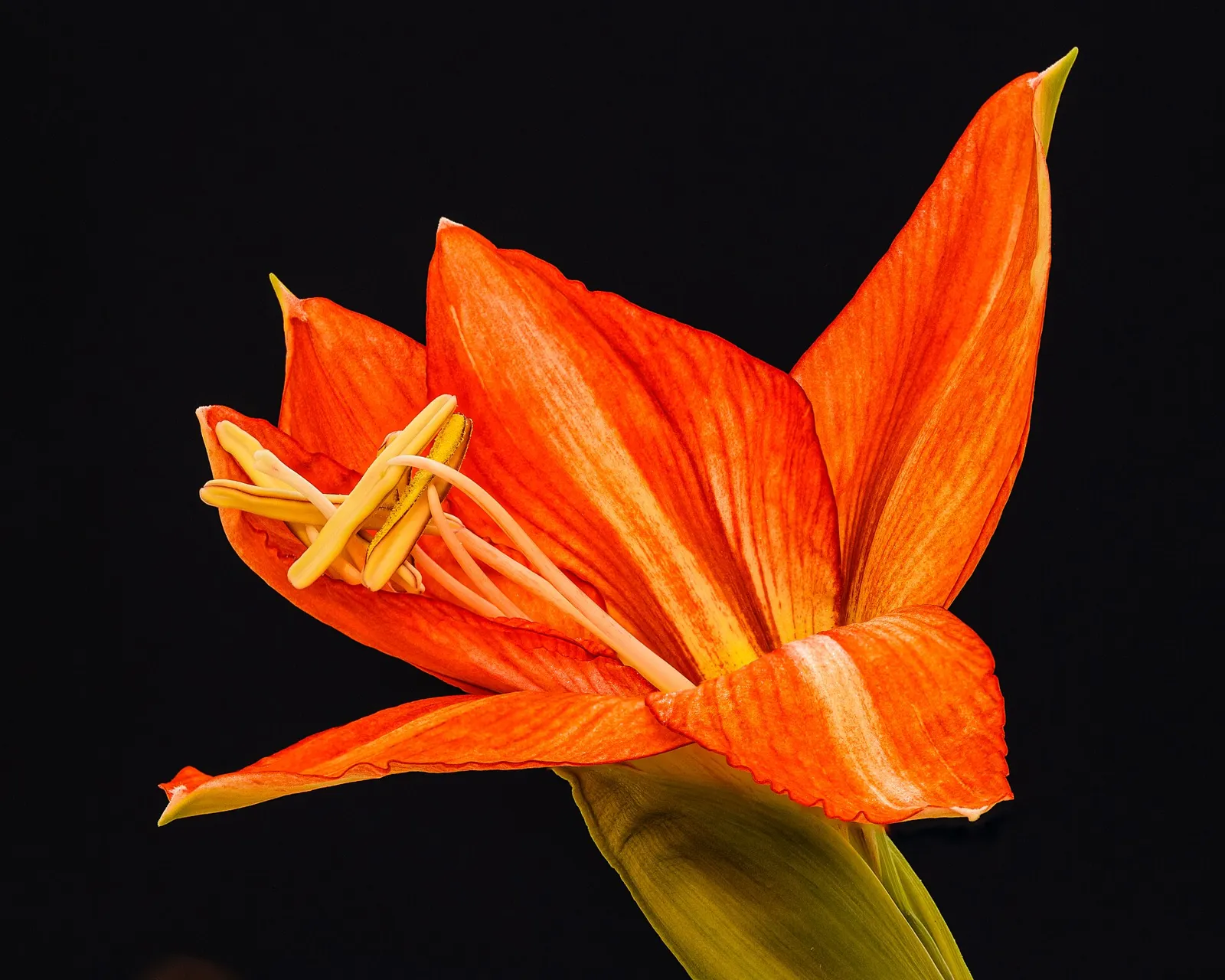
Botanical detail: a reminder to slow down and observe.
Workshop notes · 3 min read · 09 November 2026
Open or closed: choosing your small world
A terrarium begins with a vessel, but the more useful first question is what conditions you can offer. Open and closed designs behave differently. The best arrangement brings together plants with similar needs rather than choosing by appearance alone.
Two different environments
An open vessel allows more airflow and moisture to escape. A closed terrarium holds humidity and suits carefully selected moisture-loving plants. Neither belongs in strong direct sun, where glass can trap heat. We talk through placement before you begin building, so your finished garden has a sensible home waiting.
Learn by making
At our workshop, you build the layers, position the plants and adjust the composition with guidance. You also learn what condensation can tell you, when to ventilate and why adding water is a considered decision. Just as a seasonal flower invites a closer look, a small glass garden rewards observation. Leave space to watch it change; that is part of the pleasure.
Rooted in Sheung Wan
Curiosity looks good on you.
Try a terrarium workshop or bring your plant questions to the shop. There is always something new to notice.